The Liberation of Your Palate
For those living with missing teeth or unstable dentures, mealtimes can transform from moments of pleasure into exercises in frustration and embarrassment. The simple joy of biting into a crisp apple, savouring a perfectly cooked steak, or enjoying fresh corn on the cob becomes a distant memory. Yet modern dentistry offers a remarkable solution that restores not merely the appearance of a complete smile, but the fundamental ability to eat whatever one desires without hesitation or discomfort.
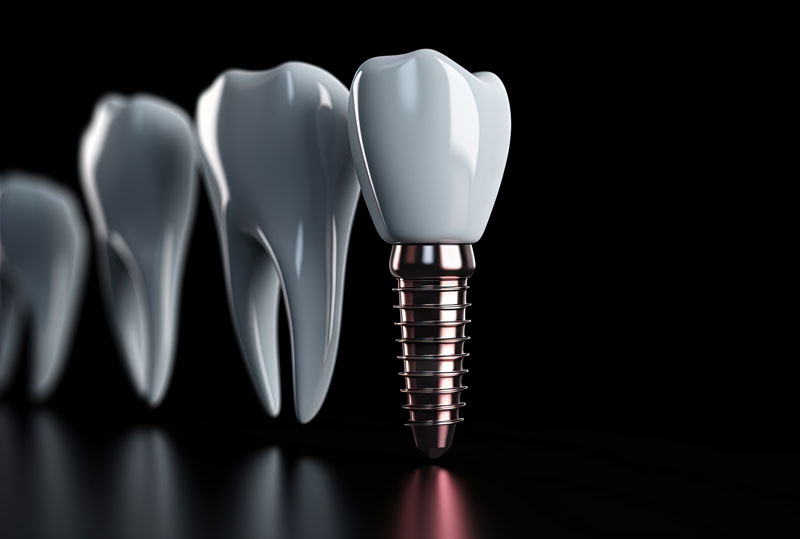
Dental implants in Plymouth represent a revolutionary approach to tooth replacement, functioning as artificial tooth roots that integrate directly with the jawbone. Unlike traditional dentures that rest on the gums or bridges that rely on adjacent teeth for support, implants provide a stable, permanent foundation that mimics natural teeth in both form and function. This stability proves transformative for individuals who have spent years navigating dietary limitations imposed by tooth loss or unreliable dental prosthetics.
The Nutritional Consequences of Tooth Loss
The relationship between oral health and overall nutrition extends far beyond the ability to chew comfortably. Research examining tooth loss and nutrition in older adults has demonstrated that individuals with missing teeth often unconsciously modify their diets to accommodate their reduced chewing capacity. Fresh vegetables, lean proteins, nuts, and wholegrains frequently disappear from the menu, replaced by softer, processed alternatives that require minimal mastication.
This dietary shift carries significant health implications. Individuals may find themselves gravitating towards carbohydrate-rich foods that break down easily but offer limited nutritional value. The consumption of essential nutrients—including protein, fibre, vitamins, and minerals—often declines substantially. Over time, these changes can contribute to nutritional deficiencies, weight fluctuation, digestive issues, and a general decline in physical wellbeing.
How Dental Implants Restore Chewing Efficiency
The biomechanical advantages of dental implants in Plymouth and throughout the country stem from their unique integration with the jawbone through a process called osseointegration. Once the titanium implant post fuses with the surrounding bone tissue, it creates a foundation capable of withstanding the considerable forces generated during chewing—forces that can reach approximately 200 pounds per square inch during normal mastication.
This remarkable stability allows individuals to bite and chew with confidence that closely approximates natural tooth function. The crown attached to the implant distributes force evenly, enabling the efficient breakdown of fibrous vegetables, tough meats, and crunchy foods that would prove problematic or impossible with conventional dentures. The psychological impact of this restored capability cannot be overstated—the freedom to order confidently from any menu and eat without self-consciousness represents a profound improvement in quality of life.
Expanding Your Nutritional Horizons
With dental implants firmly in place, previously forbidden foods return to the table. Crisp salads laden with raw vegetables provide essential vitamins and fibre. Grilled chicken, fish, and lean beef deliver high-quality protein necessary for muscle maintenance and overall health. Nuts and seeds offer beneficial fats and minerals. Fresh fruits, whether sliced apples or berries, become accessible sources of antioxidants and natural sweetness.
The broader health benefits of dental implants extend beyond mere nutritional intake. When individuals can consume a varied, balanced diet rich in whole foods, they often experience improved energy levels, better digestive function, enhanced immune response, and more stable blood sugar regulation. The ability to properly chew food also aids digestion, as thorough mastication begins the breakdown process that continues throughout the gastrointestinal system.
The Social and Psychological Dimensions
Beyond the physiological advantages, dental implants eliminate the anxiety associated with eating in social situations. No longer must individuals worry about dentures slipping whilst speaking or eating, food becoming trapped beneath prosthetics, or the need to excuse themselves to adjust uncomfortable appliances. Studies on patient satisfaction following implant treatment consistently demonstrate significant improvements in confidence and social engagement.
Dining experiences transform from sources of stress into opportunities for genuine enjoyment and connection. The ability to share meals with family and friends without dietary restrictions or embarrassment restores a fundamental aspect of human social interaction.
Reclaiming Complete Nutritional Independence
Dental implants represent far more than a cosmetic enhancement or dental restoration—they constitute a pathway to complete nutritional freedom. By restoring full chewing capability, these remarkable devices enable individuals to make food choices based on preference and health requirements rather than mechanical limitations. The result is not simply a more attractive smile, but a foundation for improved overall health, enhanced quality of life, and the simple pleasure of enjoying meals without restriction or worry.